
Guest post by Linda Carter
Skin firmness is something just about every individual hopes to maintain throughout their lifetime. A dense network of collagen and elastin naturally helps to give structure and shape to the facial contours, but during a weight-loss journey on GLP-1, rapid fat loss can cause the skin to lose its underlying support. That is when you may notice visible changes in the volume of your face, which now appears gaunt.
This loss of volume is known as Ozempic face. Some of the general signs include hollowed eyes, sunken cheeks, sunken temples and sagging skin along the jawline. So, how do you firm the skin and bring back its natural bounce? There are advanced topical treatments and a targeted skincare regimen that you can start to deliver a firmer, plumper and more radiant complexion.
Even Celebrities Can Get Ozempic Face
If you have Ozempic face, you’re certainly not alone. Millions of Americans, famous and unfamous, are on weight-loss medications like Ozempic or Wegovy. And when rapid weight loss outpaces the skin’s natural remodeling process, sagging, dehydration and crepiness can result. Your skin just needs time to catch up.
Recent imaging studies indicate that those taking GLP-1 medications lose about 7% of midfacial volume for every 22 pounds of total weight loss. According to the research, these changes primarily affect the superficial fat pads and may contribute to an older-looking facial appearance following significant weight loss. However, you can do something about it.
3 Steps to Support Your Skin Early On
Weight loss experts recommend the following when beginning a GLP-1 journey that will help protect your skin from the inside out:
- Remain well-hydrated. Proper hydration boosts elasticity and resilience.
- Maintain an adequate protein intake. Protein reinforces collagen and tissue strength.
- Guard against UV damage. Daily sunscreen use helps defend the skin against UV damage that can contribute to collagen breakdown.
Saving Face With a Revolutionary Topical
The great news is that the skincare industry has introduced some great skin tightening products that help support those taking GLP-1. These advanced topical formulas have been developed to help improve the appearance of sagging skin and support a firmer-looking complexion.
One of these innovative products is called VOL.U.LIFT. The moisturizer was created by a plastic surgeon to help address the appearance of facial volume loss associated with weight loss, along with the look of deep wrinkles, decreased skin density and the effects of dehydration.
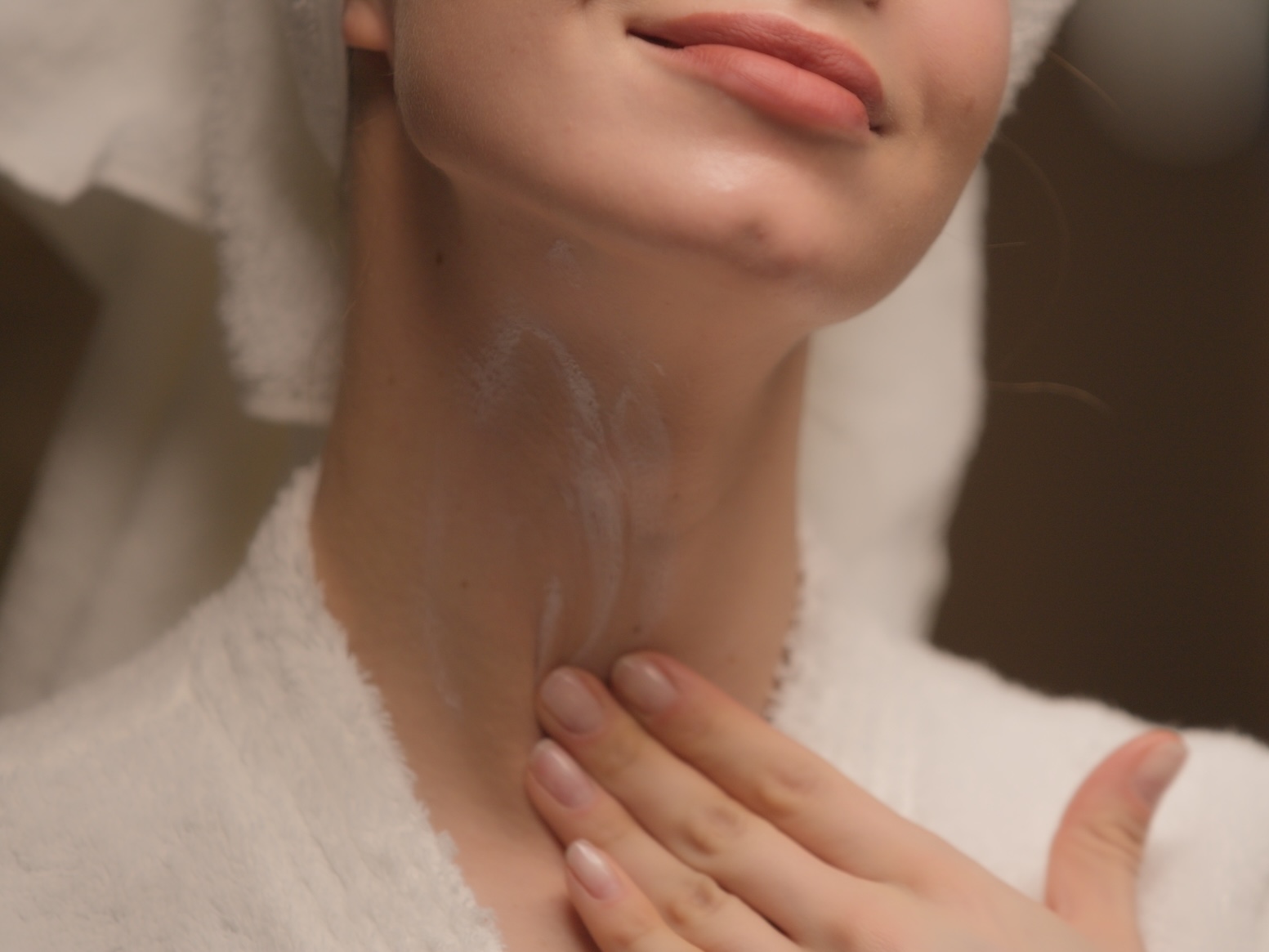
Best of all, it’s easy to use: After cleansing and applying your preferred serum, apply VOL.U.LIFT to cleansed skin in the morning and evening. Gently massage the rebound complex into the face, neck and jawline. Use upward, lifting motions. Allow the product to absorb completely. In the morning, follow with a broad-spectrum SPF.
Three key ingredients make this gentle-on-the-skin, firming moisturizer a favorite of many GLP-1 users. They include L-ornithine amino acid, bakuchiol and kangaroo paw extract. These ingredients help skin appear plumper, smoother and firmer.
Based on a 12-week clinical study, 20.1% of users reported an increase in facial volume, and 22.5% reported an increase in firmness.
Hyaluronic Acid and Other Ingredients Support Firmer-Looking Skin
You have more exceptional topical formulas to add to your skincare approach while on GLP-1 to support your skin’s integrity during weight loss. Look for skincare products formulated with ingredients such as retinol complex, vitamin C, peptides and hyaluronic acid, which can help support hydrated, smooth and firmer-looking skin while reducing the appearance of fine lines and wrinkles. Together, these ingredients can help support a hydrated, smooth and healthy-looking complexion.
The topical formulas are available as facial cleansers, eye creams, overnight repair creams, neck-firming serums, nighttime masques and daytime bio-longevity creams.
Minimally Invasive Treatment Options Can Help, Too
If you are noticing skin laxity and/or facial hollowing, and would like to expand your options, facial changes can be softened or improved with minimally invasive methods. For example, energy-based treatments are one alternative. These procedures can include radiofrequency, ultrasound tightening and non-ablative laser resurfacing. The technology improves tone, tightens skin and stimulates deep collagen remodeling.
There is also fat grafting if you have experienced advanced facial deflation. A patient’s own fat is drawn and collected and then injected to restore facial volume for a natural, durable result. Using your own tissue eliminates the risk of an allergic reaction or rejection, and the results feel completely natural to the touch.
Some people have tried microneedling treatments that create controlled micro-injury to stimulate collagen remodeling. There are also radiofrequency microneedling treatments that combine collagen induction with skin tightening.
Cosmetic injectables are another option that can produce visible results by replacing lost volume in the cheeks, temples and under-eyes, as well as tightening loose skin and reducing the appearance of jowls. Hyaluronic acid-based dermal fillers are excellent for this purpose.
Biostimulatory injectables, like Sculptra and Radiesse, are another option for addressing facial hollowing associated with GLP-1-related weight loss. These are not dermal fillers but unique liquid formulas that work under the skin, signaling the cells to produce new collagen. Biostimulatory injections can slowly and naturally restore lost facial volume and improve the skin’s overall appearance and firmness.
Final Thoughts
GLP-1 medications are powerful, life-changing tools for weight loss and metabolic health. However, they can sometimes lead to unintended facial changes that often show up in the mirror first.
Volume loss and loose skin are a normal and treatable part of this weight-loss journey. You can take steps to support firmer-looking skin and feel more confident about your complexion. From advanced formulas designed to boost skin elasticity to minimally invasive procedures and aesthetic injectables, there are multiple approaches to consider.

Leave a Reply