
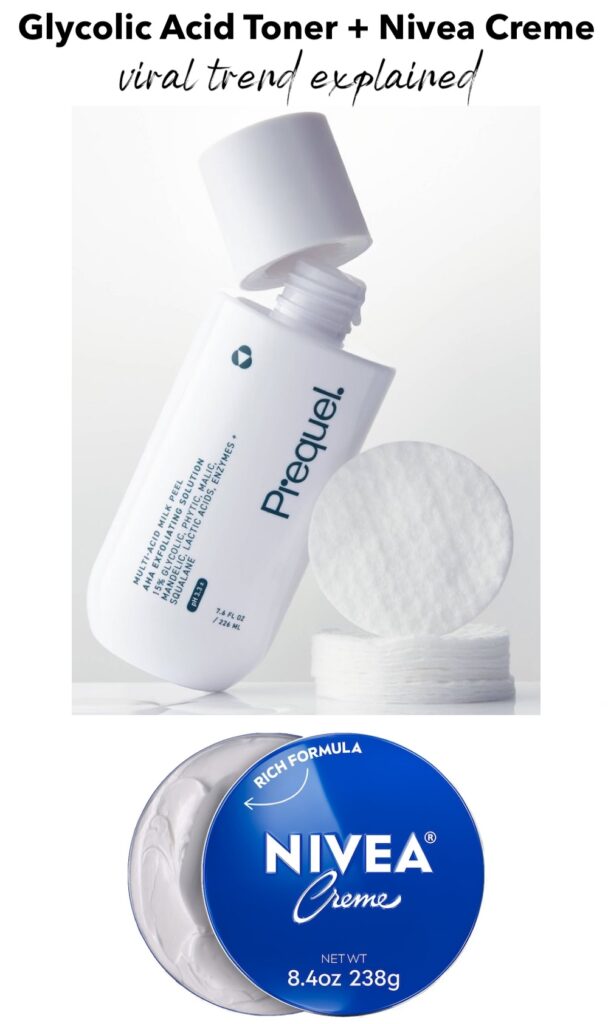
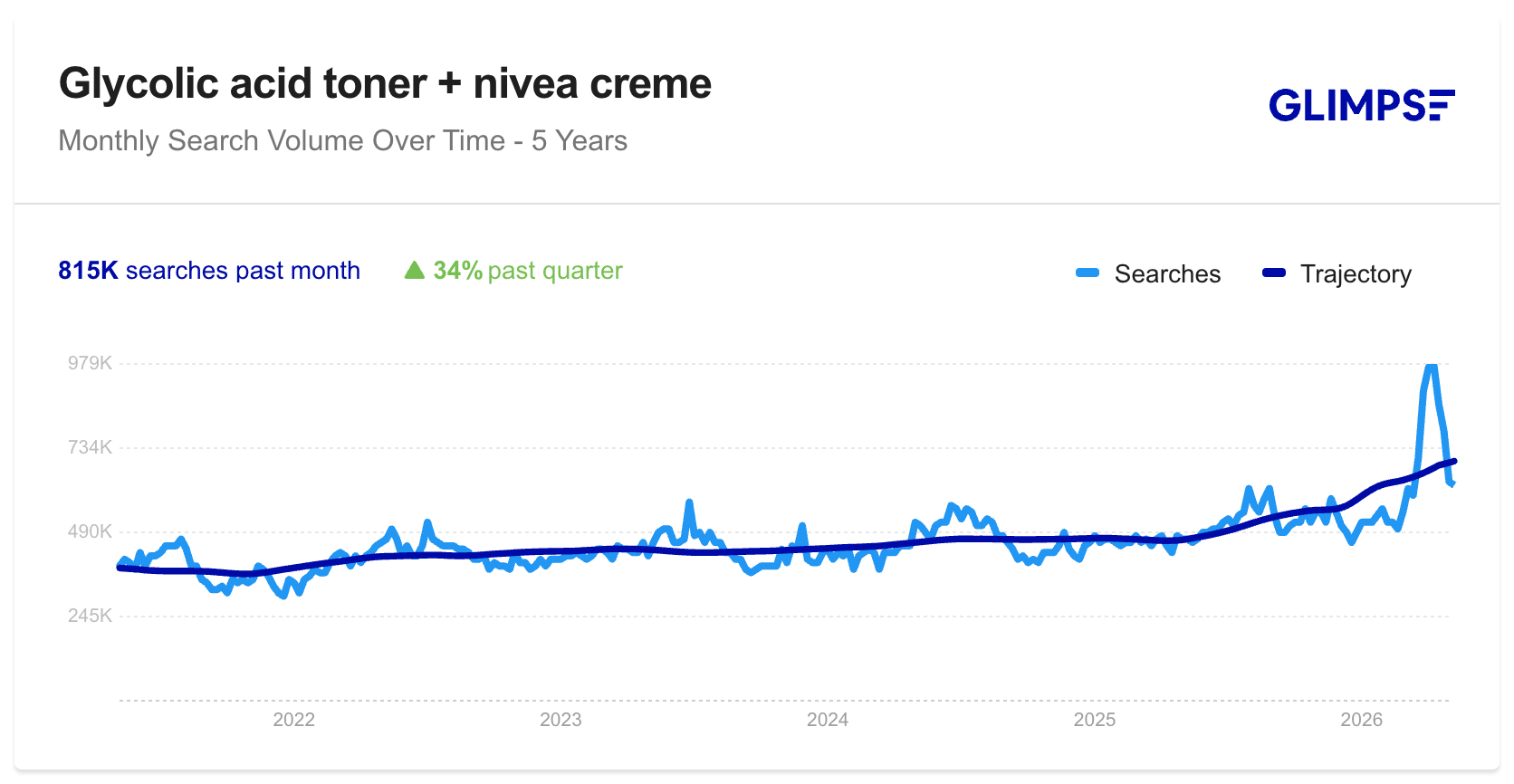
Searches for “glycolic acid toner + Nivea Creme” have reached 815,000 in the past month, according to Google search trend data analysed by Fresha, the world’s leading beauty and wellness booking platform.
The data also shows searches for the skincare combination are up 34% in the past quarter, as beauty fans turn to Reddit, TikTok and online forums to discuss why the simple pairing appears to leave skin looking smoother, softer and more hydrated.
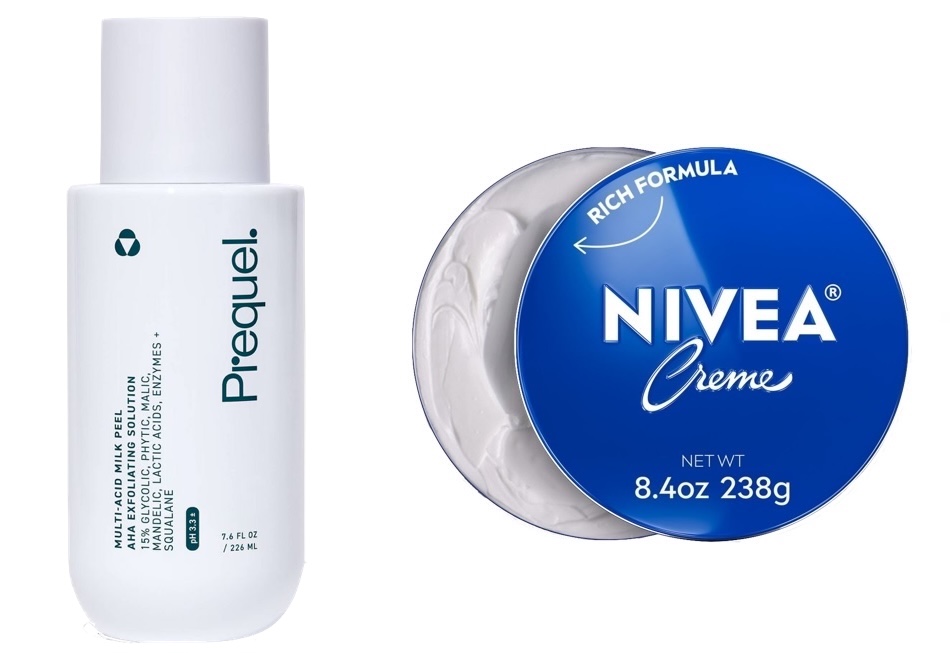
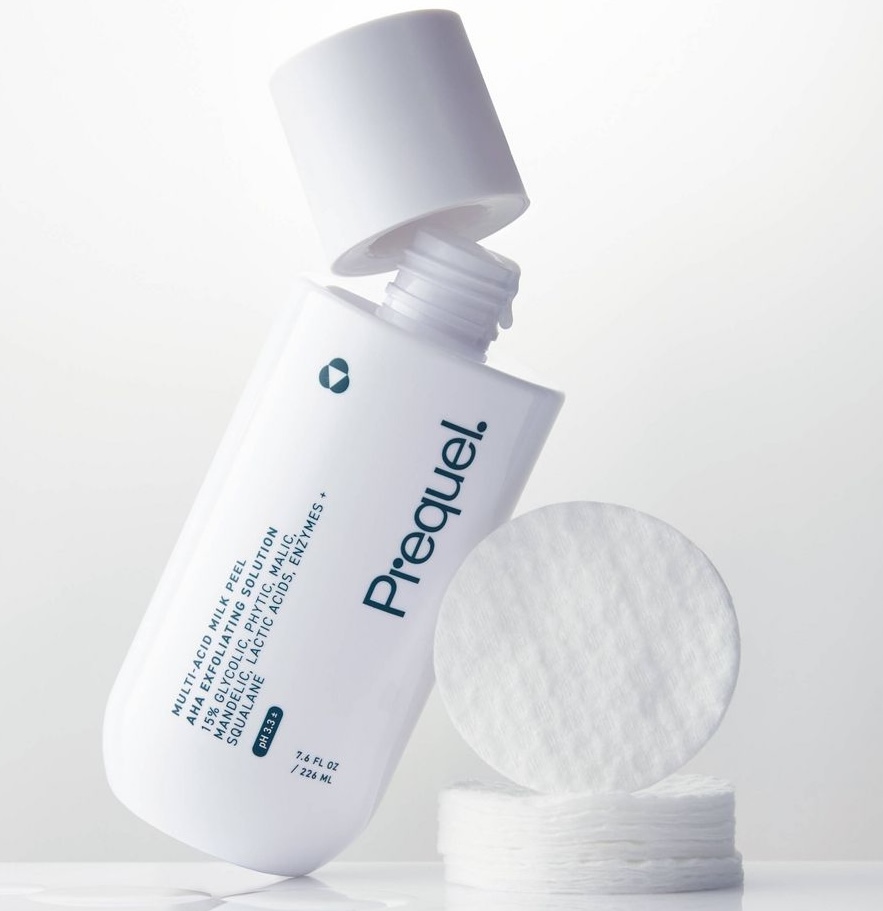
The trend centers on using a glycolic acid toner, often as an exfoliating step, followed by a rich layer of Nivea Creme to help lock in moisture and support the skin barrier.
According to Danielle Louise, expert on Fresha, the reason people are going mad for the combination is that the two products do very different jobs, but can work well together when used carefully.
Danielle said:
“This combination is getting attention because glycolic acid and Nivea Creme sit at opposite ends of a skincare routine. Glycolic acid helps exfoliate the surface of the skin, while a rich cream helps seal in moisture and reduce the tight, dry feeling that can sometimes follow exfoliation.
When people say their skin looks smoother or more glowy after using the two together, what they are often seeing is the effect of removing dull surface build-up and then immediately cushioning the skin with a rich, occlusive moisturizer.
That is why the pairing can feel so satisfying. The glycolic acid does the smoothing work, and the cream helps the skin feel comfortable afterwards.”
Why glycolic acid works
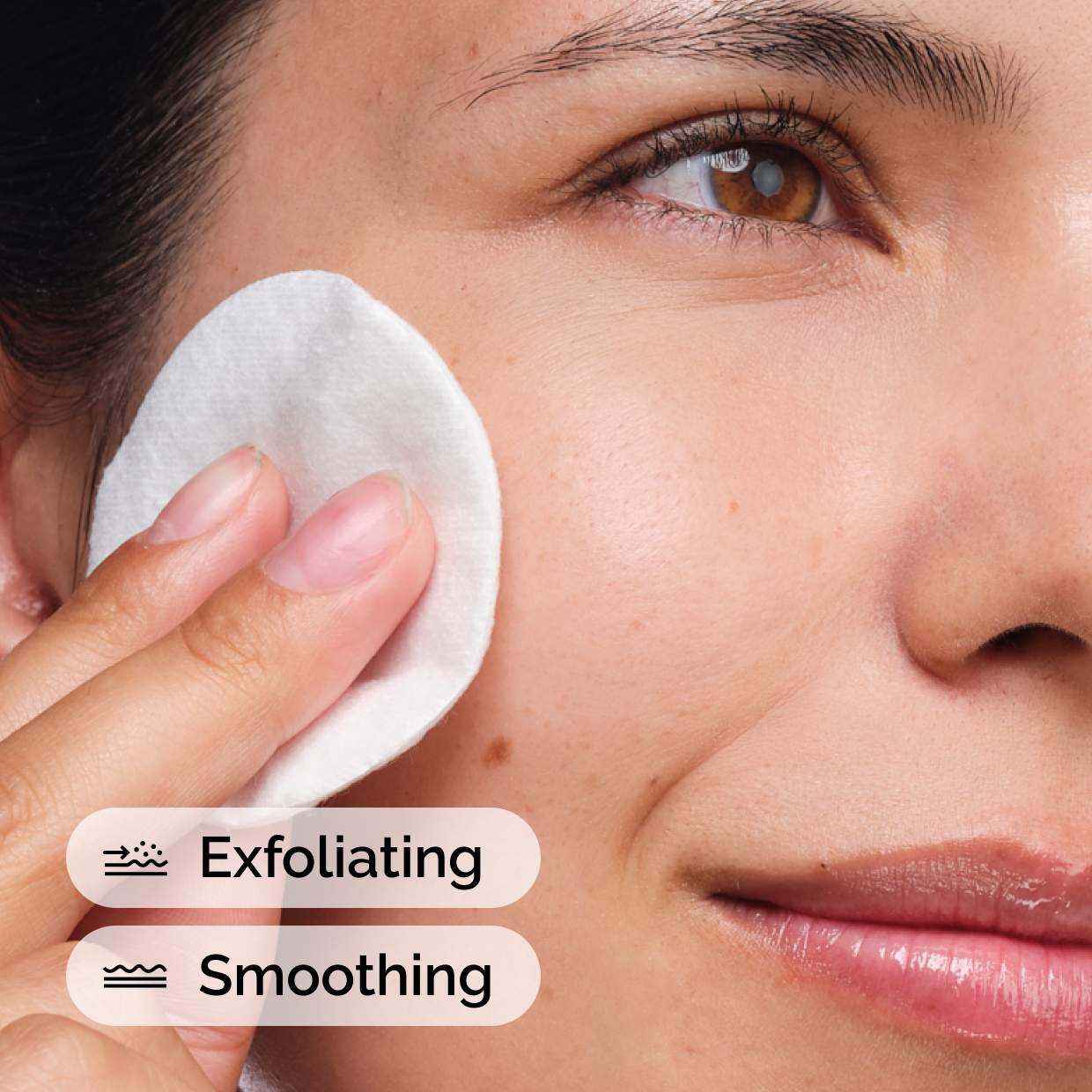
Glycolic acid is an alpha hydroxy acid, often used in skincare to help remove dead skin cells from the surface of the skin.
Danielle explains:
“Glycolic acid is popular because it can make the skin look brighter, smoother and more even. It works on the surface layers of the skin, which is why people often notice a quick improvement in texture and glow.
However, it is still an active ingredient, and that means it needs to be used with care. More is not better. Using it too often, or layering it with too many other actives, can leave the skin feeling sensitive, dry or irritated.”
Why Nivea Creme is being paired with it
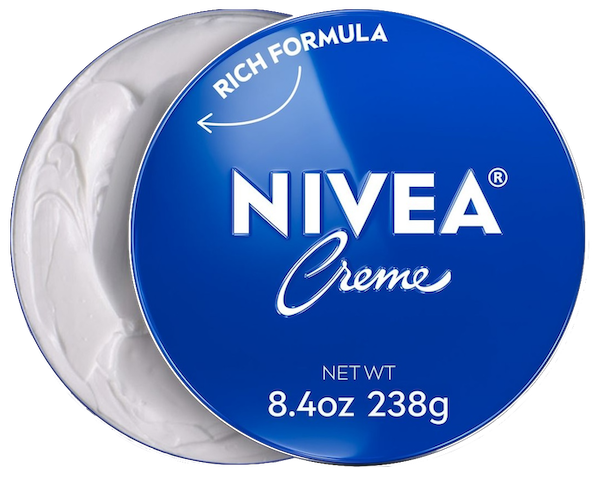
Nivea Creme has become part of the viral conversation because of its rich, classic texture and accessibility.
Danielle said:
“A thicker cream can help create a protective layer over the skin, which is why people like using it after exfoliating. It can make the skin feel softer and less stripped, particularly if someone finds acid toners a little drying.
The appeal is partly nostalgia too. Nivea Creme is familiar, affordable and has been in people’s bathrooms for generations, so pairing it with a modern active like glycolic acid makes the routine feel both effective and accessible.”
Why people should be careful
Despite the popularity of the trend, Danielle warns that the combination will not suit every skin type.
She said:
“This is not something I would tell everyone to copy without thinking about their own skin. If your skin is sensitive, rosacea-prone, acne-prone or already irritated, glycolic acid can be too much, especially if you are using it frequently.
The cream itself is very rich, so while some people love that, others may find it too heavy, particularly if they are prone to congestion or breakouts.”
Danielle adds that the biggest mistake people make with viral skincare trends is copying the frequency rather than the principle.
She said:
“The idea behind this trend makes sense: exfoliate gently, then moisturize well. But that does not mean you need to use glycolic acid every night or apply a very thick layer of cream every time.
For most people, glycolic acid should be treated as an occasional exfoliating step, not a daily essential. Start slowly, watch how your skin responds, and never ignore stinging, burning, redness or tightness.”
How to try the trend more safely
Danielle recommends using glycolic acid in the evening, starting once or twice a week rather than daily, and avoiding it on the same night as retinol, vitamin C, scrubs or other exfoliating acids.
She also advises applying a moisturizer afterwards, whether that is Nivea Creme or another barrier-supporting cream, and wearing sunscreen everyday, as exfoliating acids make skin more sun-sensitive.
Danielle said:
“The safest way to approach this trend is to focus on what your skin actually needs. If your skin feels smooth, comfortable and calm the next day, that is a good sign. If it feels hot, tight, itchy or sore, you have likely pushed it too far.
Viral skincare can be useful when it gets people thinking about ingredients, but the best results come from consistency and restraint, not from copying every routine exactly as it appears online.”
Shop this post…


Leave a Reply