
Guest post by Lisa Thomas
Read the back of almost any moisturizer, face oil, or serum and you will find at least one plant-derived oil sitting somewhere in the ingredient list. Sweet almond, grapeseed, apricot kernel, squalane, argan. These are not filler. They are the carrier oils that determine how a product feels on the skin, how well active ingredients absorb, and whether the formula supports the skin barrier or simply sits on top of it.

What Carrier Oils Actually Do
A carrier oil is the base that holds and delivers other ingredients in a formulation. Beyond that functional role, the better carrier oils contribute their own actives: fatty acids that reinforce the skin barrier, antioxidants that protect against oxidative damage, and vitamins that support skin renewal.
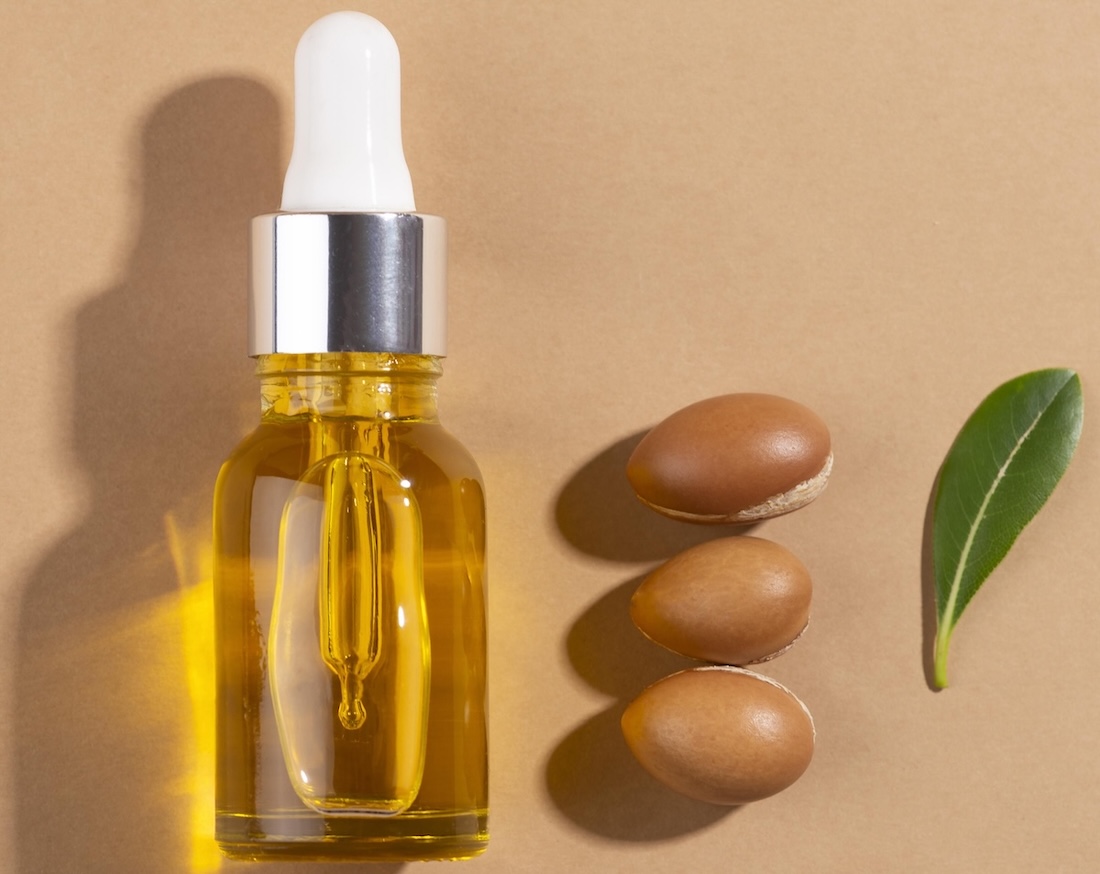
Squalane, derived from olives or sugarcane, is lightweight, non-comedogenic, and mimics the skin’s natural sebum. Sweet almond oil delivers vitamins A and E with a soothing profile suited to sensitive skin. Grapeseed oil is rich in linoleic acid, an essential fatty acid the skin uses to maintain its barrier. Apricot kernel oil sits between the two in weight, hydrating without feeling heavy. Argan oil delivers concentrated vitamin E and fatty acids that suit both skin and hair formulations.
Where Quality Comes From
The difference between a great face oil and a mediocre one often comes down to the quality of the base oils used. Cold-pressed, properly stored oils retain their fatty acid profiles and antioxidant content. Heat-processed or poorly stored oils oxidise quickly and lose much of what made them valuable in the first place.
This is where the supply side of the beauty industry quietly does its work. Indie brands and larger formulators alike rely on specialist suppliers to deliver consistent quality at usable volumes. This skincare oil supplier, for example, provides a range of premium vegetable oils including apricot, grapeseed, sweet almond, argan, and squalane, with sustainable sourcing and rigorous batch testing built into the standard. The brands that prioritise this level of input quality tend to produce products that perform better and feel better on the skin.
What to Look for on the Label
The simple takeaway for skincare consumers: the carrier oils in a product are not afterthoughts. Look for cold-pressed designations where listed, and favour formulas that name their oils specifically rather than hiding them behind generic terms. A face oil that lists each oil with its INCI name reflects a brand that wants you to know exactly what is in the bottle, which is the kind of transparency worth rewarding.
Harvard Health Publishing has covered the role of plant-based oils in supporting skin barrier function, noting that linoleic-acid-rich oils in particular play a meaningful role in maintaining healthy skin for those prone to acne or inflammation. The base of a skincare product is doing more work than most people realise. Knowing what to look for makes choosing better products considerably easier.

Leave a Reply